How to Spot Truly High-Quality Cannabis Oil: A Buyer's Guide
Walking into a dispensary or browsing an online menu can feel overwhelming. Shelves are lined with jars of amber liquid, syringes of golden concentrate, and cartridges promising a potent experience. But not every product labelled "cannabis oil" delivers the same results. Some are thin and runny, lacking the depth of flavour you expect. Others might leave a harsh aftertaste that makes you question what is actually inside. Over the years, I have learned that the difference between a mediocre product and a truly high-quality cannabis oil comes down to three things: how it is made, how it is tested, and how it is stored.
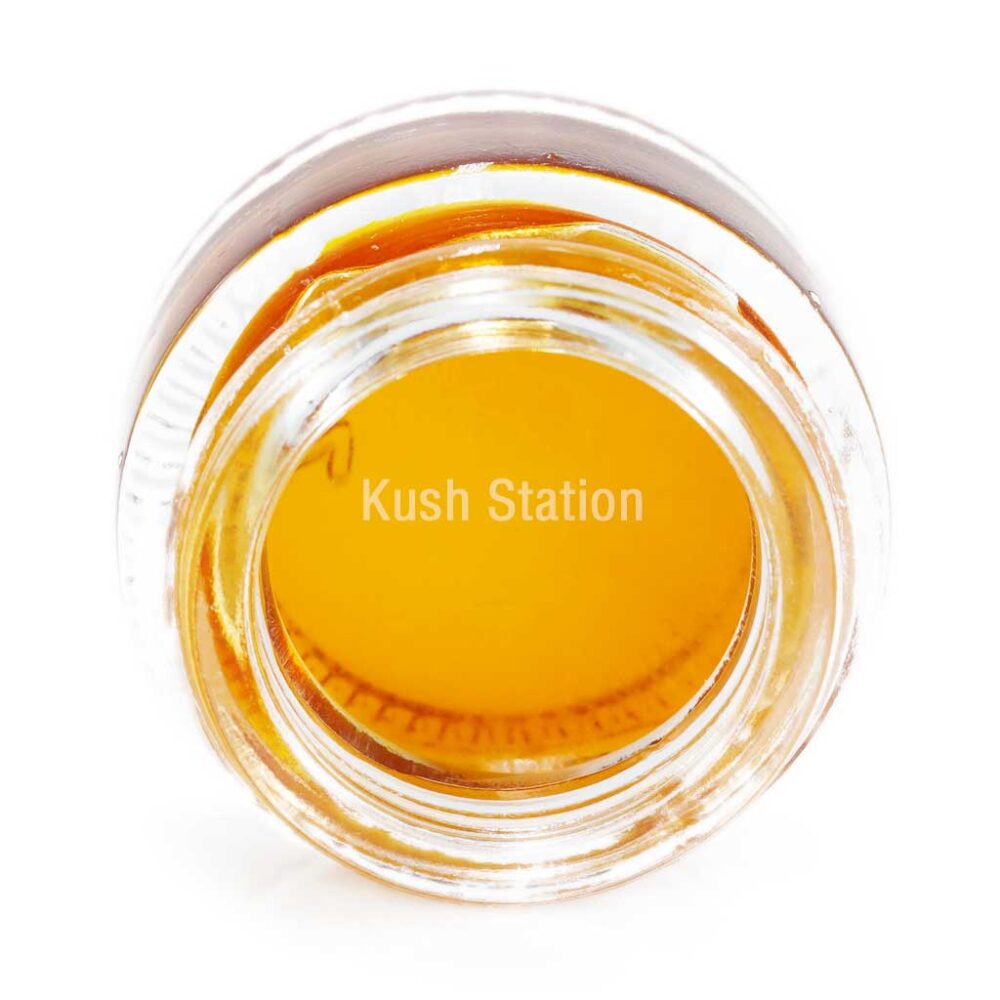
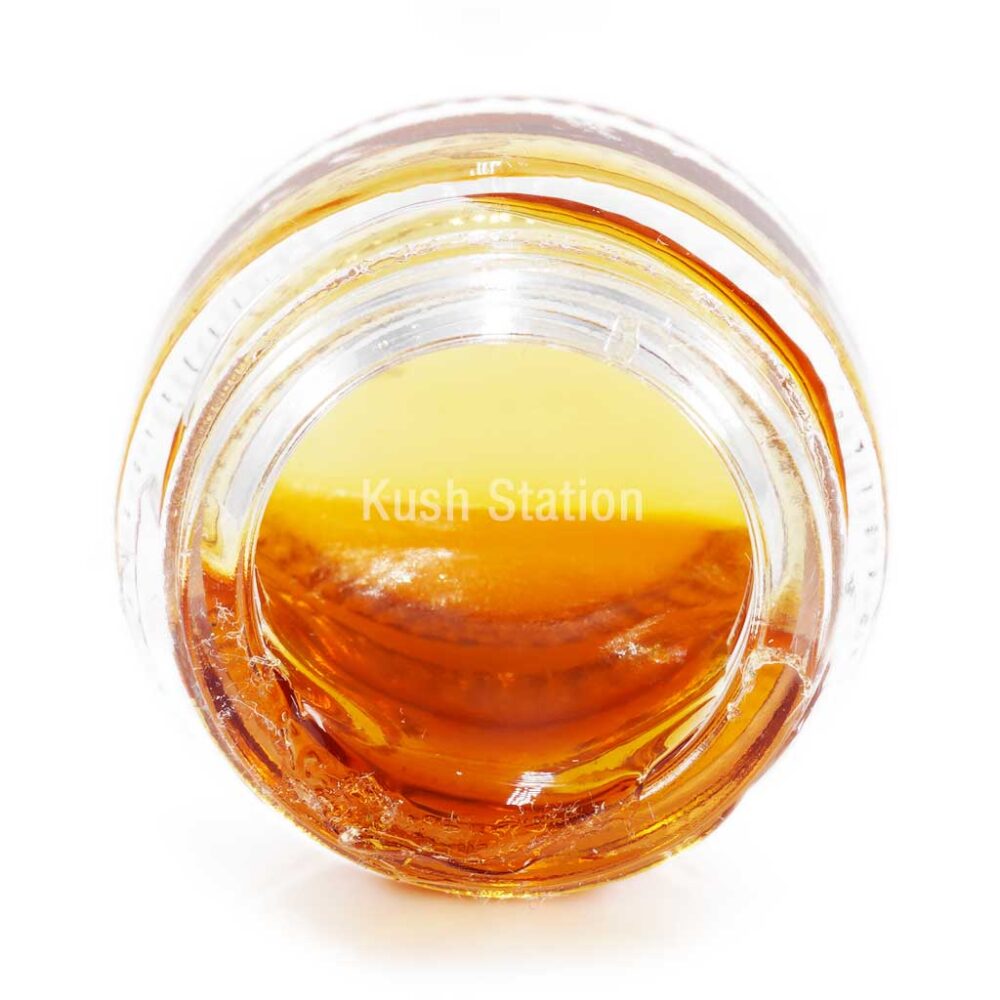
The world of cannabis concentrates has grown fast. What used to be a niche corner of the market is now a major category. And at the heart of it is honey oil, a type of concentrate known for its clean, smooth profile. When I first tried honey oil from Kush Station, I noticed the difference right away. The texture was thick like warm honey, the aroma was rich with notes of pine and citrus, and the effects came on smoothly without any coughing fit. That experience taught me that paying attention to extraction methods and lab results is not just for geeks, it is for anyone who wants a reliable, enjoyable experience every time.
What Makes Cannabis Oil High Quality?
Let us start with the basics. Cannabis oil is a concentrated extract of the cannabis plant. It contains the same cannabinoids, THC, CBD, and others, as the flower, but in a much more concentrated form. A single drop can contain as much active material as an entire joint. That is why quality matters so much. With flower, you can see and smell the buds to judge freshness. With oil, you need to trust the process.
High-quality cannabis oil should be free of residual solvents, plant waxes, and other impurities that come from poor extraction. The best producers use solventless methods like CO2 extraction or mechanical separation. CO2 extraction, for example, uses carbon dioxide under pressure to pull out cannabinoids and terpenes without leaving behind chemical residues. The result is a clean oil that retains the full profile of the original plant. I have tried oils made with butane or ethanol, and they always leave a faint chemical burn in the throat. That is something you never get with a properly made solventless product.
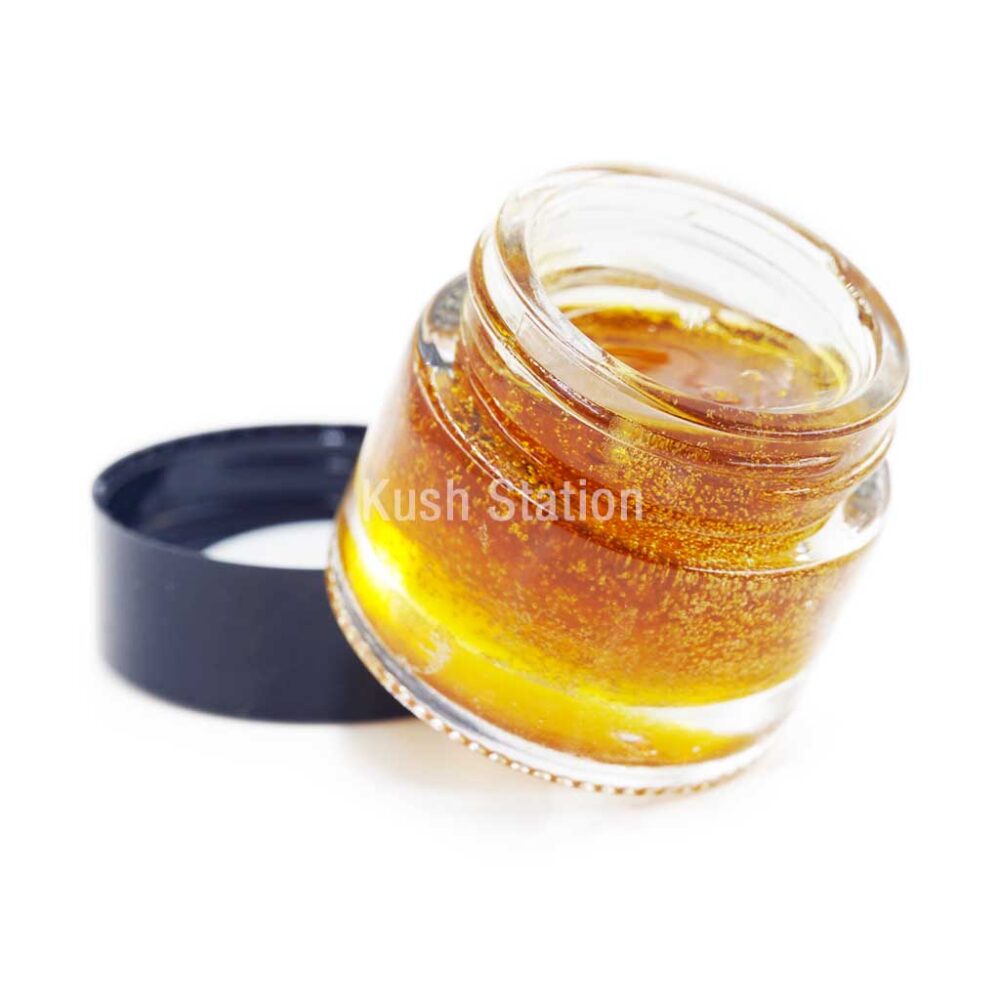
Another sign of quality is the presence of a full-spectrum profile. Full-spectrum means the oil contains not just THC but also CBD, minor cannabinoids, and the full range of terpenes that give each strain its unique character. That is what produces the entourage effect, the idea that all these compounds work together to create a more complete, balanced experience. A high-quality cannabis oil should feel like the plant it came from, not a one-note blast of THC.
The Role of Lab Testing
I cannot stress this enough: third-party testing is the single most reliable indicator of quality. A reputable seller will provide batch analysis from an independent lab. That report tells you the exact percentages of THC, CBD, and other cannabinoids. It also confirms that the oil is free of contaminants like pesticides, heavy metals, and residual solvents.
When I look at a batch analysis for a cannabis concentrate, I check two things first. One is the THC percentage, that is the potency. The other is the terpene profile. High terpene content means the oil was extracted carefully and has not been degraded by heat or light. Some oils I have seen test at 80% THC but show almost no terpenes. Those are the ones that hit hard but taste flat. A well-made oil might test a bit lower in THC but will have a richer flavour and a more nuanced effect. That trade-off is worth making.
Kush Station, for example, publishes lab results for their honey oil products. That transparency builds trust. It means you can look at the numbers before you buy and know exactly what you are getting. If a product does not have a visible batch analysis, I would be cautious. The industry has matured enough that testing is no longer optional for serious brands.
Forms and Uses: Dabs, Vapes, and Edibles
Cannabis oil comes in many forms, and the best one for you depends on how you like to consume. Here is a quick breakdown:
- Dab rig: A classic way to use concentrates. You heat a nail or banger, place a small amount of oil on it, and inhale the vapour. This method preserves flavour well and gives you full control over temperature.
- Vape pen: More portable and discreet. Many pens are designed specifically for cannabis oil or live resin. They heat the oil at a lower temperature, which can produce a smoother vapour.
- Edibles: You can infuse oils into butter or oil for cooking. Because the oil is already decarboxylated (activated), it mixes easily into recipes.
- Sublingual: Some people place a drop under the tongue for a slow, steady onset. This works best with oils that have balanced THC to CBD ratios.
Each method changes the experience. A dab at high temperature will hit fast and hard, great for experienced users. A vape pen at low temperature gives you a longer, more flavourful session. If you are new to concentrates, I recommend starting with a vape pen and a low-temperature setting. That way you can taste the terpenes without overwhelming your lungs.
Strains and Their Effects
Just like with flower, the strain of the cannabis plant determines the effects of the oil. Indica strains tend to produce oils that are relaxing and sedating, good for evening use or for managing pain. Sativa oils are more uplifting and energising, often preferred for daytime creativity or social situations. Hybrids combine traits from both, offering a middle ground.
When I buy cannabis oil, I look for products that list the strain name and the dominant terpenes. A good oil will have a clear label: "Strain: Blue Dream (Sativa-dominant Hybrid), Terpenes: Myrcene, Pinene, Caryophyllene." That level of detail tells me the producer understands their product. It also helps me choose an oil that fits my mood or my needs for the day.
One thing I have noticed is that honey oil from Kush Station often carries a strong strain-specific character. The live resin they offer, for instance, is made from fresh-frozen plants, which preserves more of the volatile terpenes. That means the oil smells and tastes much closer to the original flower than something made from dried or cured material. For anyone who values flavour, that is a big deal.
Dosage and Safety
Because cannabis oil is so concentrated, dosage is critical. A single dab can contain as much THC as an entire joint. Beginners should start with a grain-of-rice-sized amount and wait at least fifteen minutes before taking more. I have seen people take too much too quickly and end up uncomfortably high. It is not dangerous, but it is not pleasant either.
A good dosage guide should include:
- Start low and go slow: Always begin with a small amount, especially if the oil tests above 70% THC.
- Know your tolerance: If you are new to cannabis, stick with oils that have balanced THC to CBD ratios (like 1:1 or 2:1).
- Use the right equipment: A dab rig with a temperature-controlled nail lets you heat the oil precisely. Too hot and you burn off terpenes; too cool and the oil does not vaporise fully.
- Store properly: Keep your oil in a cool, dark place away from direct sunlight. Heat and light degrade cannabinoids and terpenes over time.
- Check the batch analysis: Make sure the oil you buy has been tested for potency and purity.
I also recommend keeping a journal of your experiences. Write down the strain, the method, the dose, and how you felt. Over time, you will build a personal reference that helps you choose the right oil for any situation. That is something no lab report can give you.
The Future of Cannabis Concentrates
The market for cannabis concentrates is moving toward more transparency and higher standards. Consumers are demanding lab-tested products with clear labels. Producers are responding with better extraction methods and more detailed batch analysis. I expect we will see more solventless options, more live resin, and more emphasis on preserving terpenes. The days of mystery oil in unmarked jars are numbered.
For now, if you want a reliable experience, look for products that check all the boxes: full-spectrum, solventless extraction, third-party testing, and a clear strain lineage. That is what separates a truly high-quality cannabis oil from something that just gets the job done. It is the difference between a good time and a great one.
Ends · HIGHQUALITYCANNABISOILFINDER